
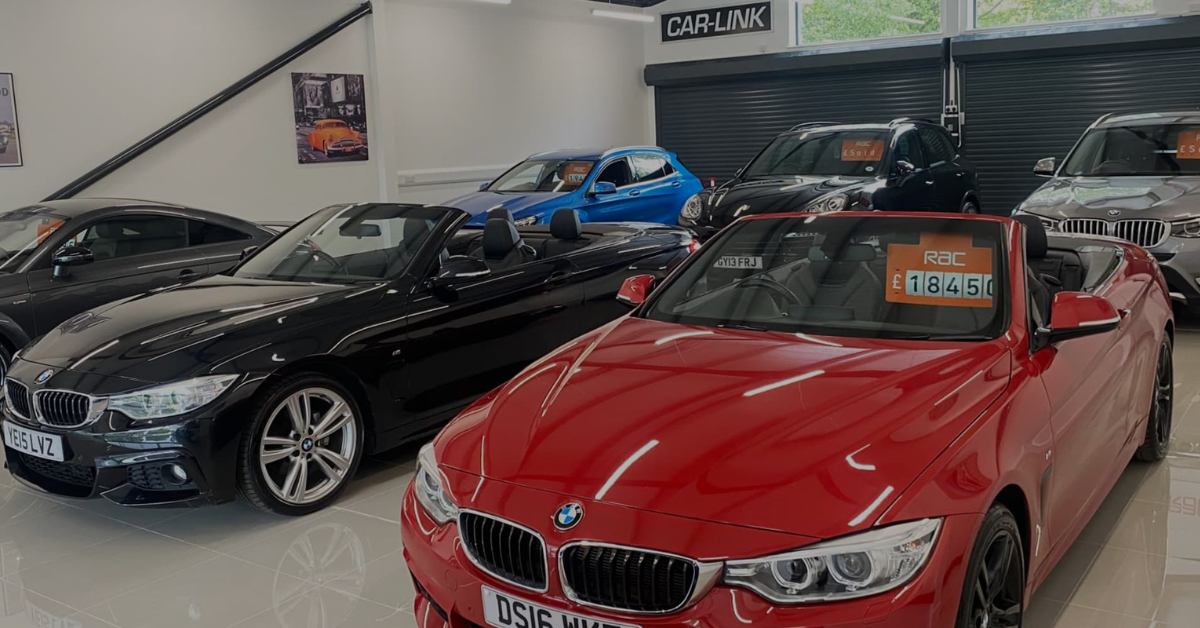
Walk into any town or city and you’ll notice something interesting about the dealership landscape.
There are usually dozens of places to buy a used car within a 15–20 mile radius.
Same makes. Same models. Same price brackets. Same general offering.
But despite this, one dealership always seems to stand out.
One dealership is known.
One dealership gets recommended.
One dealership never seems to slow down.
People travel to them.
People trust them.
People buy from them more than anyone else locally.
So what separates that dealership from the rest?
It’s not luck.
It’s not who shouts the loudest.
And it’s not simply “good reviews.”
It Comes Down to One Thing: Control Over Demand
The dealerships that thrive own their own lead flow.
They do not wait for enquiries to come in.
They do not rely on one platform to send them traffic.
They do not hope that “this month will pick up.”
They control the flow of potential customers coming toward them.
And that one difference — control — is what determines whether a dealership grows, plateaus, or declines.
Most Struggling Dealerships Have the Same Pattern
They depend heavily on third-party marketplaces:
- Auto Trader
- Motors.co.uk
- CarGurus
- eBay Motors
They’re visible — but only where all their competitors are also visible.
The customer journey goes like this:
| Step | Who Controls It? |
|---|---|
| Customer searches for a car | The platform |
| Customer compares options | The platform |
| Customer sends an enquiry | The platform |
| Customer forms trust | The platform’s reviews, not yours |
| Dealer receives a lead | Only at the end, with no relationship built |
In that scenario, your dealership is:
- Interchangeable
- Forgettable
- Replaceable
And when you are interchangeable, the only thing left to compete on is price.
Which is the fastest way to kill margins and burn profit.
Dealerships That Thrive Build Their Own Demand
These dealerships have a completely different structure:
| Step | Who Controls It? |
|---|---|
| Customer sees dealership brand in local ads | The dealership |
| Customer sees stock presented on a clean landing page | The dealership |
| Customer enquires directly via SMS / phone / WhatsApp | The dealership |
| Customer is followed up quickly and professionally | The dealership |
| Trust and relationship are built directly | The dealership |
This creates:
- Recognition
- Familiarity
- Authority
- Loyalty
The buyer chooses them, not just a car.
They don’t just sell cars — they get chosen.
This Isn’t About “Being Good at Marketing”
Many dealership owners hear “generate your own demand” and imagine:
- Posting on Instagram every day
- Hiring a videographer
- Working with influencers
- Making flashy cinematic car adverts
None of that is necessary.
The dealers who are winning with demand control are doing simple, repeatable, direct-response marketing:
- Local Meta ads
- Google search ads for “used cars near me”
- A clean landing page showing current stock
- A frictionless enquiry system
- Fast follow-up and appointment booking
They are not trying to go viral.
They are not trying to build a massive social media presence.
They are not trying to impress other dealers or marketers.
They’re doing one thing:
Getting in front of real buyers in their local area and giving them a simple, confident path to enquire.
That’s it.
Consistency Beats Everything
The dealerships that struggle tend to operate reactively:
- “It’s gone quiet this month.”
- “The phones just aren’t ringing.”
- “We need a price drop to drive some interest.”
- “Let’s hope next month’s traffic improves.”
The dealerships that thrive operate proactively:
- They run campaigns weekly
- They track enquiry → appointment → sale conversion
- They follow up every lead within minutes, not hours
- They treat marketing as a system, not a gamble
They don’t rely on hope.
They rely on process.
And process creates predictability.
Brand Is the Long-Term Advantage
When a dealership controls demand, something powerful happens over time:
People start recognising the name.
The brand itself becomes the selling tool — not just the stock.
Brand is not your logo.
Brand is not your colours.
Brand is not your website theme.
Brand is:
- The reputation you build in your area
- The trust created through consistency
- The sense of familiarity customers feel when they see your stock
You become the dealership that people say:
“Go there — they’re good.”
You can’t buy that.
But you can build it.
And you build it through controlling demand, not renting attention.
The Future of the Motor Trade
The dealerships that survive and grow in the next 5–10 years will be the ones that:
- Own their audience
- Own their data
- Own their communication channels
- Own their pipeline
Those who rely on third parties will continue to:
- Pay more for less
- Fight harder for weaker leads
- Have no differentiation in the local market
The gap will widen.
And the divide will be control.
The Bottom Line
You don’t need to be the loudest dealership.
You don’t need to be the biggest.
You don’t need the flashiest showroom.
You just need to own the flow of people coming toward you.
If you control your leads, you control your sales.
If you control your sales, you control your business.
And if you control your business, you control your future.
That’s what thriving dealerships understand.
And that’s where the market is moving.